


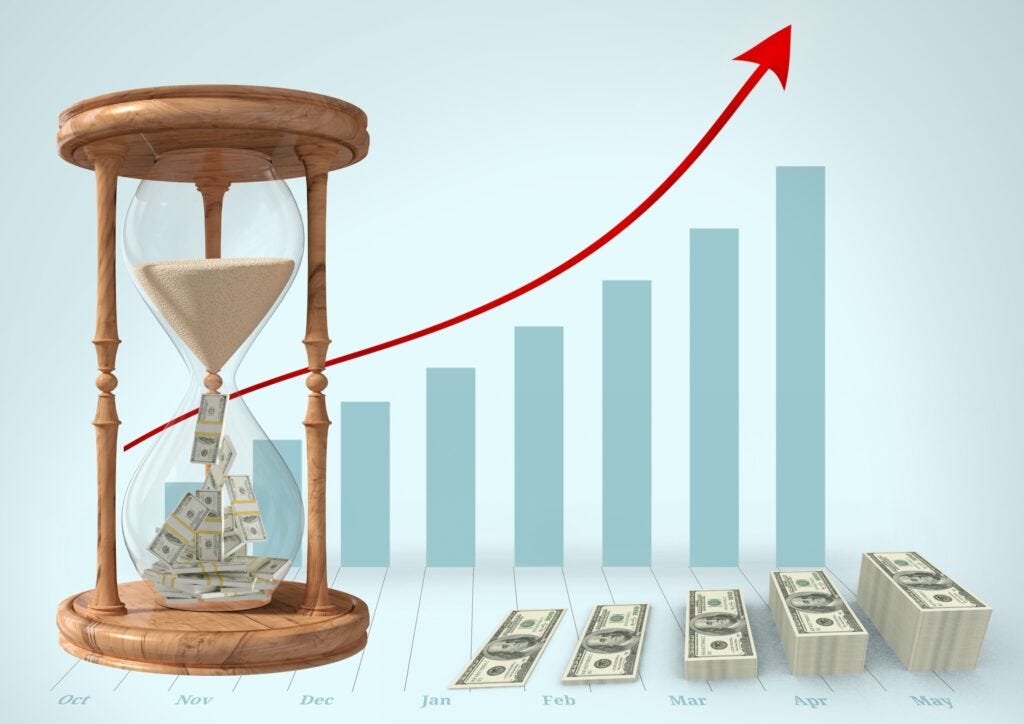
Quick wins have always been seductive. They arrive with visible results, measurable gains, and the immediate satisfaction of proving a decision was “right.” In UK boardrooms and small offices alike, they are often celebrated with dashboards lighting up green and quarterly reports that soothe nerves. Yet beneath that comfort sits a quieter cost, one that does not show up immediately but accumulates with patience.
Over the past decade, the pace of business decision-making has accelerated. Software promises instant insights. Investors expect rapid returns. Leadership is judged not just on direction, but on velocity. This environment rewards actions that look effective now, even if they quietly weaken what comes later. Long term business thinking in the UK has not disappeared, but it is frequently deferred.
There are moments when this trade-off becomes visible. A company freezes training budgets to protect margins, then wonders a year later why innovation has slowed. Another delays infrastructure upgrades, only to face outages that disrupt customers at the worst possible time. These are not dramatic failures. They are incremental erosions.
Sustainable business rarely announces itself loudly. It is built through decisions that feel almost dull at the time. Investing in people who may not deliver immediate returns. Choosing suppliers who cost more but fail less often. Saying no to growth opportunities that stretch systems too thin. These choices lack the theatre of rapid expansion, yet they quietly determine whether an organisation remains intact when conditions shift.
The UK offers a particularly sharp lens on this tension. Many firms are navigating high operating costs, cautious consumer behaviour, and uncertain policy signals. In such conditions, the temptation to prioritise short-term relief intensifies. Cut here. Delay there. Optimise for survival. But survival mode, when prolonged, reshapes culture. It trains organisations to think narrowly, defensively, and reactively.
What often gets overlooked is how quickly short-term thinking becomes habitual. A single compromise becomes a pattern. A temporary measure becomes standard practice. Over time, leadership conversations shift away from “where are we going” to “how do we get through the next quarter.” The horizon shrinks.
Some of the most resilient businesses in the UK are those that resisted this contraction of vision. They made deliberate choices during uncertain periods to protect core capabilities. They maintained apprenticeships when others paused them. They continued modest but consistent investment in systems rather than chasing constant upgrades. These decisions did not always look impressive on paper, but they created continuity.
I once sat in on a leadership meeting where a finance director calmly argued against a cost-saving move that would have boosted short-term figures but weakened service reliability, and I remember feeling surprised by how rare that steadiness had become.
Long-term thinking also reshapes how success is defined. Instead of chasing rapid spikes, it values endurance. Instead of constant restructuring, it prioritises coherence. Employees notice this difference. Organisations that think long term tend to retain institutional memory. Knowledge is not lost every time someone leaves. Processes evolve instead of being replaced wholesale.
There is an emotional dimension to this as well. Quick wins can feel energising at first, but they often create anxiety underneath. Teams learn that priorities can change overnight. Projects may be abandoned if they fail to deliver fast enough. In contrast, sustainable business practices create psychological safety. People understand that effort invested today still matters tomorrow.
This does not mean rejecting efficiency or ignoring performance. Long-term thinking is not slow thinking. It is disciplined thinking. It asks harder questions before acting. What will this decision look like in two years? Who will carry its consequences? Which risks are we pushing forward rather than resolving?
In the UK, where many businesses operate across generations, this perspective carries particular weight. Family-owned firms often understand this instinctively. They speak in terms of stewardship rather than extraction. Profit matters, but so does reputation, continuity, and trust. These qualities compound quietly over time.
Technology has complicated this balance. Digital tools enable rapid experimentation and faster feedback, which can support long-term strategy when used well. But they can also encourage constant pivoting, chasing metrics rather than meaning. Sustainable business in a digital age requires restraint as much as innovation.
Regulatory shifts and environmental pressures further underline the need for long-term business thinking in the UK. Compliance is no longer a box-ticking exercise. It shapes supply chains, investment decisions, and public credibility. Businesses that anticipate these changes adapt more smoothly than those scrambling to retrofit solutions later.
There is also a narrative problem. Quick wins are easier to communicate. They fit neatly into presentations and headlines. Long-term strategies require explanation, patience, and trust. They ask stakeholders to believe in something that cannot yet be proven. That is uncomfortable, especially in uncertain times.
Yet history consistently favours those willing to tolerate that discomfort. The companies that weather shocks are rarely the ones that extracted the most value early. They are the ones that built slack into systems, respected limits, and understood that resilience is not wasteful, it is protective.
Long-term thinking changes leadership behaviour. It reduces performative urgency and replaces it with considered action. It values learning over optics. It recognises that not every decision needs to impress immediately. Some simply need to hold.
In the end, the argument for long-term thinking is not ideological. It is practical. Quick wins expire. Their benefits fade. The consequences of their trade-offs remain. Sustainable business, by contrast, accumulates quietly, often unnoticed, until the moment it is needed most.
What distinguishes organisations that endure is not their ability to move fast, but their willingness to move with intention, even when no one is applauding yet.
