


There was a moment, walking down Oxford Street a few years back, when it hit me just how much customers had changed: not the products they bought, but the way they expected to be treated while buying them. A woman at a flagship store rattled off an order number and asked for a different size — voice echoing into the headset of a staff member who responded instantly with precise inventory data flickering on a tablet. That instantaneous exchange, so casual yet so exact, was a quiet signpost of a broader shift in what people now take for granted.
The phrase “customer expectations” used to conjure images of polite service and clean stores. Now it often means instantaneous replies, predictive suggestions before you ask for them, and a seamless experience across every device or channel you touch. Businesses in the UK and beyond are waking up to this with varying degrees of enthusiasm and strain, but the fact remains: what once delighted is now simply baseline.
One of the clearest forces driving this change has been technology — particularly mobile connectivity and data. When your smartphone is the portal through which most of your daily tasks flow, from banking to shopping to messaging, the tolerance for delay or awkward transitions plummets. Clumsy apps, slow loading times, or disjointed interactions between digital and physical storefronts can erode trust in a matter of seconds. Customers no longer accept a pause between channels; they expect the context of their interaction to carry with them, whether they move from app to phone call, chat bot to in‑store checkout, or social media to email support.
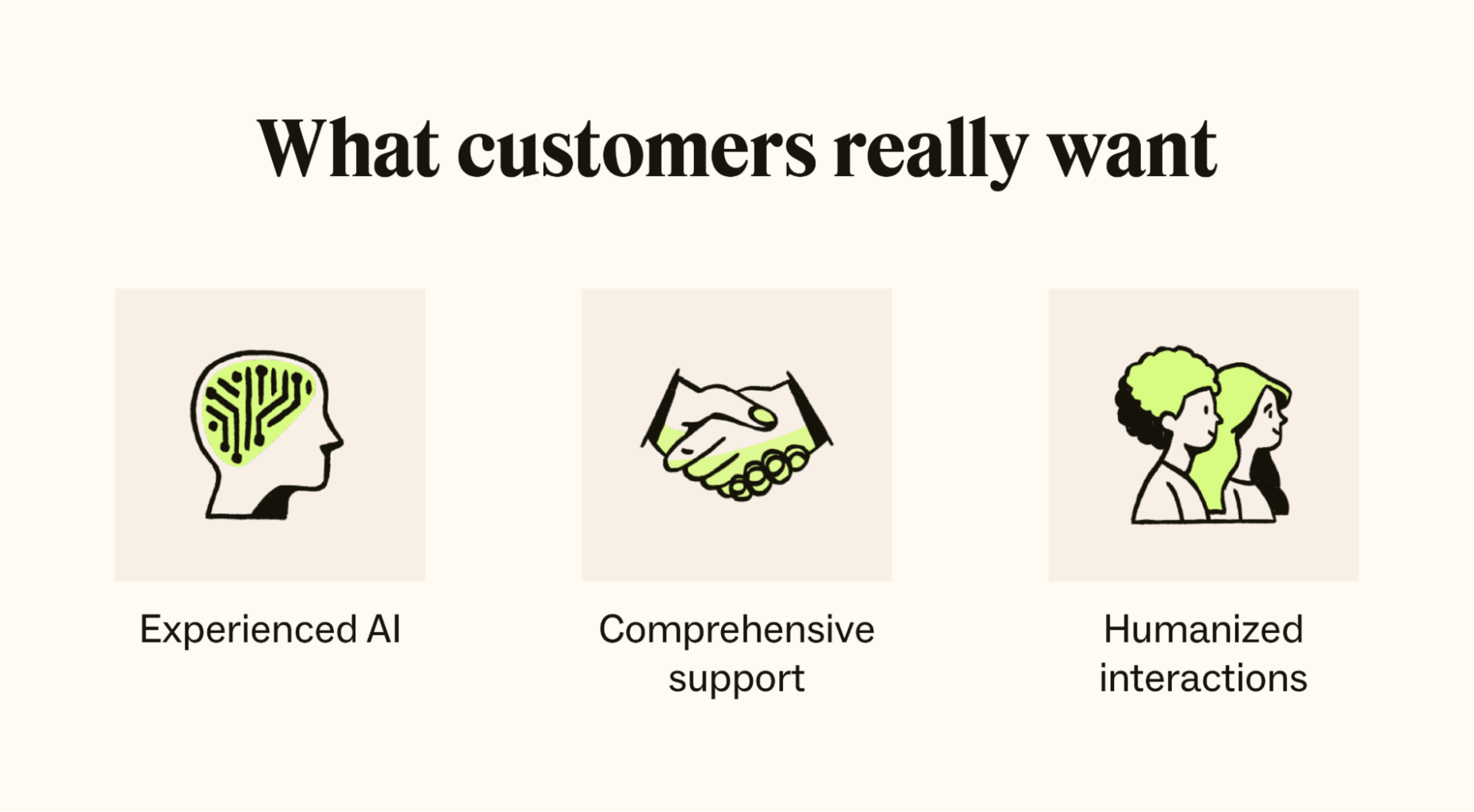
The arrival of artificial intelligence has both highlighted and accelerated this trend. What used to feel futuristic — chatbots, predictive recommendations, automated responses — is now framed as a standard part of service. The result is paradoxical: on the one hand, customers appreciate the efficiency of AI‑driven tools. On the other, they are now less forgiving of poor implementation. A bot that can’t hand you off to a human when the situation gets complex feels like a step backward, not forward. Trust, particularly around how personal data is used, has become a central pillar of expectations. A majority of consumers say transparency about data use would increase their trust in a brand — yet a much smaller share believes companies actually use data responsibly.
In the UK, this interplay between digital capability and trust has become particularly pronounced. Companies that can demonstrate clear governance of personal data tend to retain more loyalty, while missteps send customers to competitors without a second thought. These aren’t abstract preferences; they directly influence buying decisions and loyalty metrics. And while speed and personalization once sounded like niceties, research shows that real, measurable business outcomes now depend on meeting these expectations.
There’s also a generational factor at play. Younger cohorts, especially millennials and Gen Z, have grown up in a digital first environment. Their sense of what constitutes excellent service is shaped not by visiting a store, but by how effortlessly an app responds, or how quickly an agent can resolve a complex query without repeating everything twice. For many of these customers, the expectation isn’t merely that service is fast — it’s that it is predictive. They want systems that anticipate needs, suggest helpful next steps, and create genuinely seamless journeys from start to finish. This is one reason omnichannel strategies aren’t just used by brands but demanded by customers — they see every interaction as part of a single ongoing relationship with a company, not discrete, siloed moments of service.
Yet, as widespread as these expectations are, they aren’t always easy for businesses to satisfy. Many organisations are still hampered by legacy systems, fragmented data siloes, or internal structures that don’t talk to each other. A customer’s desire for continuity — where their history is recognised and service is tailored — collides with back‑end realities that make this tricky to deliver. When staff have to manually stitch together information from different departments or when CRM systems can’t share data efficiently, friction emerges, and the illusion of seamlessness breaks.
In this context, the role of AI and automation becomes double‑edged. Implemented well, these tools can orchestrate experiences that feel effortless, anticipating needs before the customer articulates them. But poorly executed, they expose gaps and create frustration. It’s one thing for a bot to answer a simple query; it’s another for a system to recognise emotional nuance and signal to a human when empathy is needed. In that sense, customers aren’t just expecting technology — they’re expecting judgment and understanding.
I remember interviewing a customer service lead at a retail chain who’d spent months stitching together an omnichannel strategy, only to realise mid‑conversation that the hardest part wasn’t technology, but internal culture. “We thought this was an IT project,” she said, pausing like she’d only just grasped the truth mid‑sentence, “but it’s really about people caring enough to make it work.”
This human element is increasingly visible in CX trends. Efficient automation frees staff from routine tasks, ideally allowing them to focus on conversations that matter — but this only works when human teams are supported, not sidelined. Brands that strike this balance manage to exceed expectations not by robotic speed, but by thoughtful intervention when it counts.
The tension businesses face now isn’t about whether customers want more; it’s about how they want it. They want speed without losing the feeling of being seen, personalization without invasions of privacy, and seamless journeys without sacrificing clarity. Those are exacting standards, and meeting them is as much about empathy as it is about innovation.
In the end, rising expectations are less an abstract trend and more a mirror — showing businesses what their customers value most when no one’s looking. They value their time. Their autonomy. Their privacy. And, above all, experiences that feel built around them, not just around a corporate process.
If I could distill it down, it’s this: customers expect more not simply because technology makes it possible, but because it has shown them what a well‑designed experience feels like. And once you’ve felt that, there’s no going back to anything less.
