


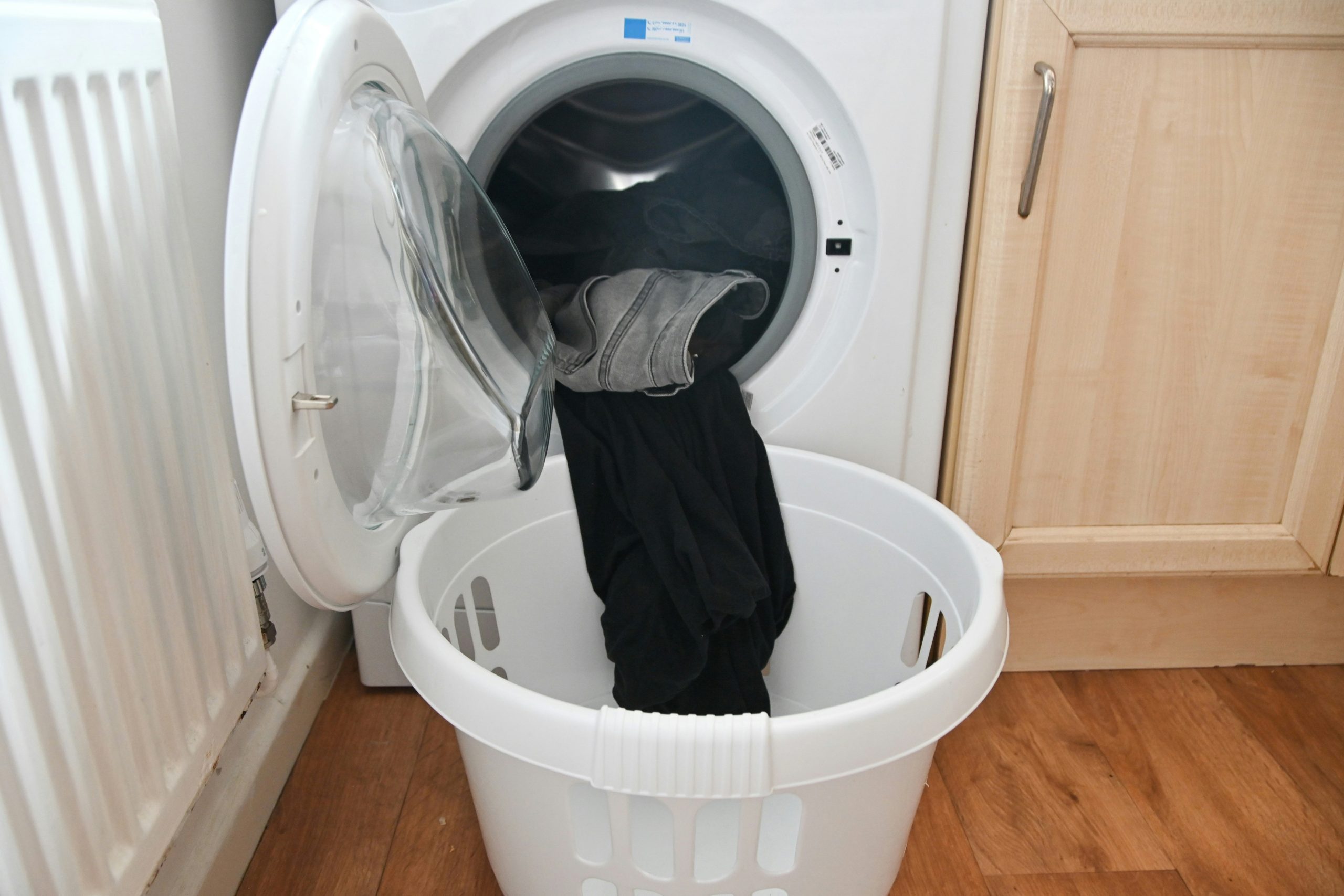
When it comes to washing machines, most people are familiar with domestic models designed for everyday household use. However, commercial washing machines serve a completely different purpose and are designed to meet the demanding needs of businesses like laundromats, hotels, and healthcare facilities. While they share a similar goal – to clean clothes – commercial and domestic washing machines differ significantly in terms of design, performance, and functionality.
1. Capacity and Load Size
One of the most noticeable differences is the capacity of the machines. Domestic washing machines, designed for household use, typically handle smaller loads with a 5–12 kg drum capacity. In contrast, commercial washing machines are built to handle much larger loads, often ranging from 15 kg to 50 kg or more. This increased capacity makes commercial machines ideal for businesses that process high volumes of laundry daily.
2. Durability and Build Quality
Domestic washing machines are manufactured to handle occasional use, usually a few times a week. They are made with lightweight materials and components to reduce costs. On the other hand, commercial washing machines are built for heavy-duty use, with robust materials such as stainless-steel drums and industrial-grade parts. This ensures they can withstand constant use and handle larger loads without compromising performance.
3. Cycle Times and Efficiency
Time is a crucial factor for businesses relying on laundry services. Commercial washing machines offer faster cycle times compared to domestic models. They are designed to quickly wash and rinse large loads while maintaining excellent cleaning standards. Domestic machines, in contrast, have longer cycles and are optimised for efficiency and energy savings in smaller-scale operations.
4. Energy and Water Consumption
While domestic washing machines are designed to be energy- and water-efficient for individual households, commercial models are optimised for bulk operations. They often feature advanced technology to minimise water and energy usage per kilogram of laundry, making them more cost-effective for high-volume applications. This is especially important for businesses aiming to reduce operational costs and meet sustainability goals.
5. Controls and Programmability
Commercial washing machines come equipped with advanced programmable controls. They allow users to customise wash cycles, water temperature, and detergent usage according to specific needs. For example, healthcare facilities may require sanitisation cycles to meet hygiene standards. Domestic machines, while user-friendly, typically offer a limited range of settings and programmes tailored to everyday clothing and fabrics.
6. Speed and Spin Performance
Commercial washing machines feature high-speed spin cycles that extract water more efficiently, reducing drying times. This is particularly advantageous for businesses that rely on quick turnaround times. While sufficient for personal use, domestic washing machines often have lower spin speeds and may not perform as well in removing water from larger, heavier loads.
7. Maintenance and Lifespan
Due to their heavy-duty construction, commercial washing machines are built to last longer than domestic models. They are designed for easy maintenance, with replaceable parts readily available. Domestic washing machines, while affordable, tend to have a shorter lifespan and may require more frequent repairs if used intensively.
8. Cost and Investment
The initial cost of a commercial washing machine is significantly higher than a domestic one. However, the long-term benefits outweigh the upfront expense for businesses. Commercial machines offer higher durability, faster cycles, and energy efficiency, making them a sound investment. Domestic machines, being more affordable, are a practical choice for personal use but are unsuitable for heavy-duty applications.
9. Compliance with Industry Standards
Certain industries, such as healthcare and hospitality, require laundry equipment that is compliant with strict regulations. Commercial washing machines are often designed to meet these standards, featuring cycles for sterilisation, temperature controls, and compatibility with professional detergents. Domestic machines lack such capabilities, making them unsuitable for industries with stringent hygiene requirements.
10. Connectivity and Smart Features
Modern commercial washing machines have smart features like remote monitoring, diagnostics, and automated cycle adjustments. These features enable businesses to optimise their laundry operations and reduce downtime. Domestic washing machines are beginning to adopt smart technology, but their capabilities are still more basic than commercial models.